Know what is not moving
Reports that surface items which have not sold at all, and margin by category rather than just sales.

RETAIL
We look at how your store buys, counts, and sells, then advise on the checkout setup, the hardware, and the funding behind your inventory.
Reports that surface items which have not sold at all, and margin by category rather than just sales.
Purchase orders created before the order goes out, so receiving is marking what showed up.
Voids, refunds, and discounts reported by employee and by shift.
Contactless, portable terminals on the floor, and a customer facing display at the counter.
Retail has a problem food service does not. Most of your working capital is not liquid. It is stock, and stock will not tell you how it is doing unless you make it.
Overbuying is quiet. Nothing alarms, it just sits there occupying space and money you could have used somewhere else. Underbuying is loud, but you hear about it too late, usually on the weekend you needed the item most.
The stores that get this right are not the ones running the most sophisticated software. They are the ones where items get entered properly and counts happen on a schedule. We would rather help you get that running than hand you reporting you will never open.
Receiving is where stores quietly lose hours. A delivery arrives, someone checks it against a paper invoice, and the counts start drifting from that moment on.
If the purchase order was created in the system before the order went out, receiving becomes a matter of marking what actually showed up. When you order by phone and there is no purchase order at all, you should still be able to scan items in against the invoice and be finished.
Labelling is the other half. Pricing every item individually with a gun is labour you pay for twice, once to apply and again to fix when the stickers come off. Shelf tags cover displayed quantities. Small goods like jewellery need a tag format that physically fits, which sounds like a detail until you are the one doing it by hand.
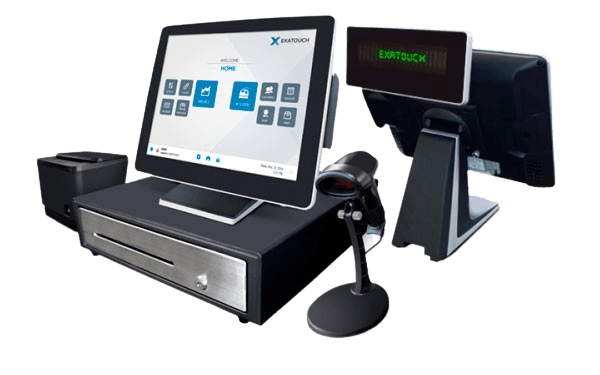
Checkout speed is not a vanity metric in retail. A customer holding two items in a four person line puts one of them back.
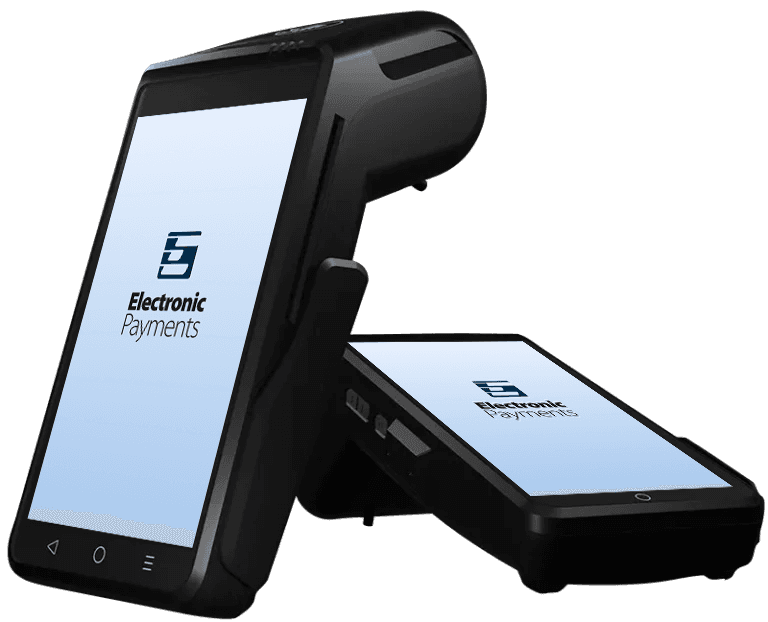
Barcode scanning is the baseline. A customer facing display matters more than owners expect, because a shopper watching items ring up catches a wrong price or a double scan before it turns into a refund. Portable terminals let you take payment on the floor during your busiest hour, or at the curb, rather than funnelling everyone to one fixed counter.
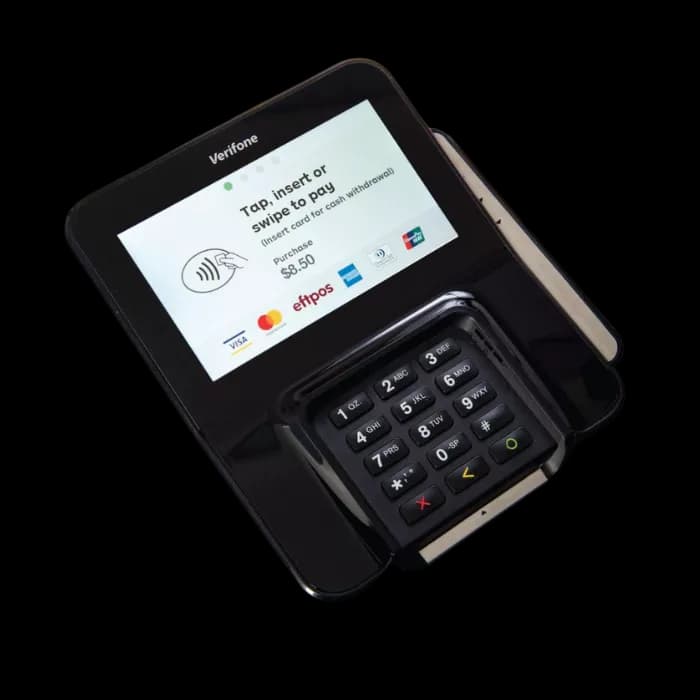
Contactless is the default expectation for small baskets now. If your terminal makes someone insert and wait to buy a coffee and a magazine, you feel it in throughput.
Some categories carry rules the register should enforce rather than your staff. Alcohol, tobacco, and vape products all have age requirements, and they vary by province. Prompting for verification on the item itself is the point of putting it in the system, because it does not depend on a cashier remembering at the end of a double shift.
Weighed goods create a different problem. A butcher counter, a bulk section, or a market scale that does not talk to the register means someone is keying a price by hand, and eventually keying it wrong.
Tax gets complicated quickly if you carry mixed categories or sell into more than one province. Your setup should hold those rates rather than depending on somebody remembering which items are exempt.
Not all retail loss walks in through the front door. Voids, refunds, discounts, and no sale drawer opens are where internal loss shows up, and none of it is visible unless you are looking at it by employee and by shift.
That is not an accusation against your staff. Most variance is a mis-scan, a training gap, or a returned item that never made it back into stock. But you cannot separate error from theft without the record.
Access controls belong in the same conversation. A new hire does not need permission to void a completed sale. Setting that on their first day is easier than revisiting it after something has already gone wrong.
The moment you sell in more than one place, you have a synchronization problem. Selling something online that left the store an hour earlier costs you a refund, an apology, and often the customer.
What you want is one inventory sitting behind both channels, with item and price changes made once. It is more work to configure at the start and considerably less work every day after that. Buy online and pick up in store sits on top of this, and it only works if the counts are honest.
Online sales also behave differently at the dispute layer. A shipped order can be disputed as never delivered, and without proof of delivery you lose. The descriptor on the customer's statement matters here too, because a name they do not recognize gets disputed even when the sale was legitimate.
Retail cash flow runs the opposite way from a service business. You pay for inventory before you sell it, and in a seasonal store you pay for it months before.
That is where most retailers get squeezed. The fourth quarter buy happens during a quiet third quarter. A renovation, a second location, or a supplier who wants payment up front lands on the same pressure point.
We work with retail clients on business capital, and on consumer financing where you sell higher ticket goods like furniture, appliances, or equipment. Whether either fits depends on your margins and how fast you turn stock, and we will say so when the answer is no.
Most stores are more than one of these.
One counter, one count, and reporting you can read in five minutes.
Shared inventory, transfers between stores, and reporting by site.
One count across both, with card not present handled properly.
Scale integration for butchers, delis, produce, and bulk.
Verification prompted by the product rather than left to staff.
Matrix inventory for stores where one product is twenty items.
Tell us what you carry, how you buy, and where the counts go wrong. We will tell you what we would change and what we would leave alone.