Recover failed charges
Retries on a sensible schedule, automatic card updates, and escalation to a person when they fail.

GYMS AND FITNESS
Most of what goes wrong in a fitness business happens between a member deciding to stay and the charge actually going through. We advise on that part.
Retries on a sensible schedule, automatic card updates, and escalation to a person when they fail.
A cancellation method that produces a record, which is what keeps a dispute from becoming a chargeback.
People join at eleven at night from their phone, not at your counter during staffed hours.
Unused class packs are a liability, not revenue, and the difference matters by June.
Most businesses sell a thing and collect for it. You sell access, then collect for it repeatedly, on a schedule, from people who are not present when the charge happens.
That difference drives nearly everything. Your revenue is predictable in a way a restaurant's never is, which is the good part. The cost is that your revenue also degrades quietly. A member who leaves loudly is a data point you can learn from. A member whose card fails and who nobody follows up with is a loss you may not notice for two months.
The businesses that do well here are not the ones with the best retention marketing. They are the ones where the billing actually runs, the failures get worked, and somebody looks at the numbers weekly.

Some of your churn is people deciding to leave. The rest is cards. Expiries, reissues after fraud, insufficient funds on the wrong day of the month, a bank blocking a recurring charge it does not recognize.
That second group is worth attention because those members did not want to leave. They are still coming in. Recovering them is a process rather than a sales effort, and it is one of the few places in a fitness business where the work reliably pays for itself.
What that process looks like: automatic retries on a sensible schedule rather than hammering the same card daily, updated card details pulled automatically where the card networks support it, and a clear escalation to a human when the retries fail. The last step is the one most studios skip, and it is the one that works.
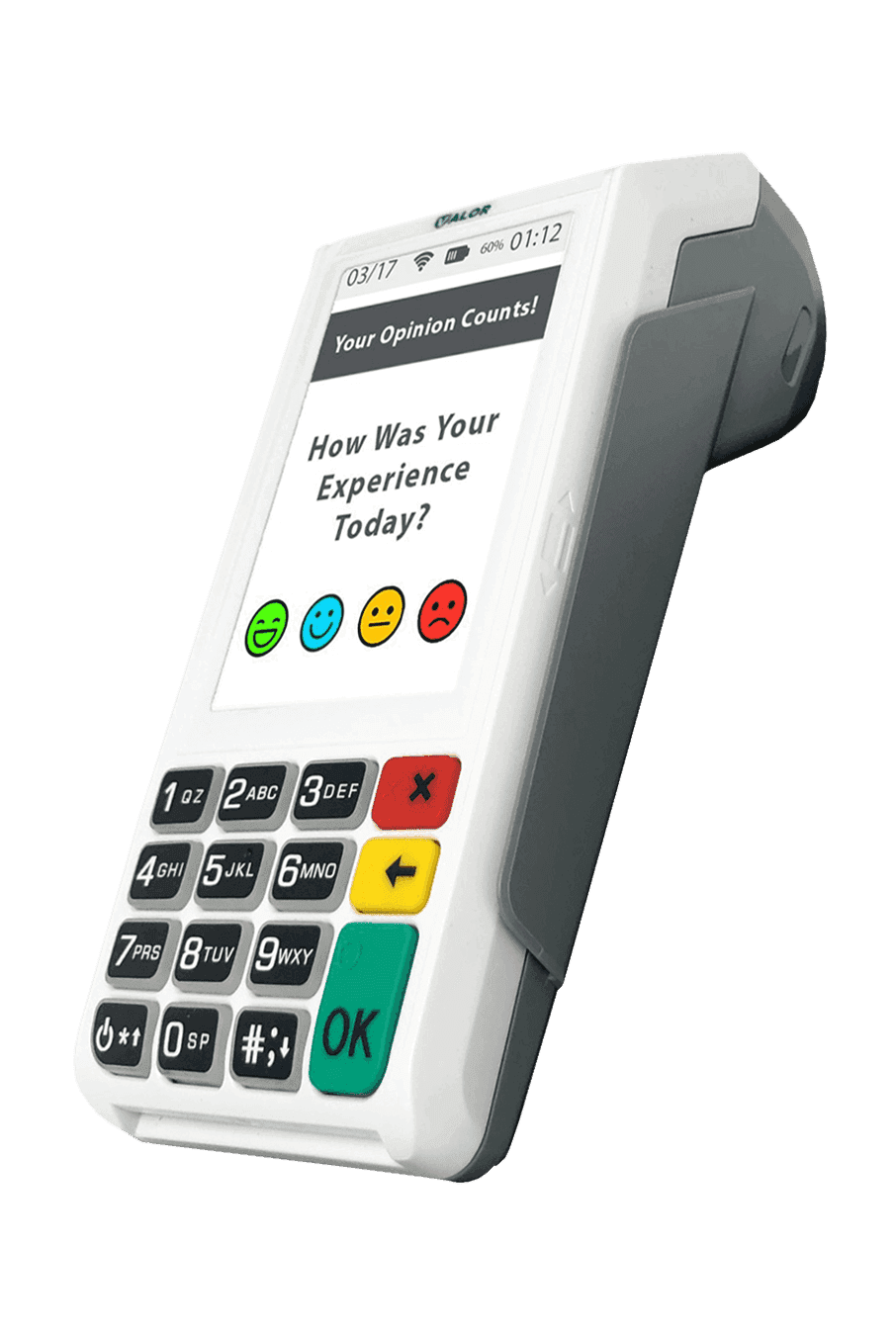
People sign up at eleven at night, on their phone, having decided in the previous four minutes. If joining requires being in the building during staffed hours, you lose a portion of those people permanently and never find out.
The same is true for the smaller transactions around the membership. Drop ins, class packs, guest passes, a bottle of something on the way out. Those add up and they are also the transactions most likely to be handled badly, because the front desk is busy and the process is manual.
None of this means abandoning the desk. It means the desk should be handling the conversations that need a person, not processing a class booking somebody could have done themselves.
When someone buys ten classes and uses three, you are holding money you have not earned. That is a liability on your books, not revenue, and treating it as revenue is how studios end up cash rich in January and insolvent in June.
Track unused balances deliberately. Know what your outstanding obligation actually is, separate from your bank balance, because those two numbers tell you different things and only one of them is yours.
Expiry on prepaid packages is a legal question as much as a business one, and the rules vary by province. Decide your position, put it in writing where the member sees it before purchase, and confirm it holds up where you operate.
Once you have personal trainers, coaches on a split, or instructors renting space from you, your payment system has to attribute revenue to the person who generated it.
This matters more than the amounts involved, because trainers who cannot verify their own numbers stop trusting the arrangement. That conversation does not improve on its own, and it tends to end with your best trainer taking their clients elsewhere.
What you want is revenue reported by trainer and by service in a form you can hand over without building a spreadsheet first. If you rent space rather than employing, the separation needs to be clean enough that nobody is guessing whose client paid what.
Your revenue arrives unevenly and your costs do not. January and September bring people in. Summer empties the room while the lease, the equipment payments, and the staffing all continue.
The trap is treating a strong January as the shape of the year. Expansion decisions made in February are being made on the least representative data you will collect all year.
We work with fitness clients on business capital to smooth that gap, and to fund the moments that do not wait, which are usually equipment replacement or a buildout on a new space. Whether borrowing is right depends on your member base and your retention, not on how good the first quarter looked.
Different formats, the same recurring charge underneath.
Memberships, drop ins, and a floor that runs outside staffed hours.
Class packs, schedules, and capacity you have to fill.
Family memberships, gradings, and long term contracts.
Day passes, memberships, and gear rental in the same transaction.
Sessions billed separately from membership, split with the trainer.
On demand or streamed access billed alongside the physical space.
Tell us how you bill, what happens when a payment fails, and how members cancel. We will tell you what we would change and what we would leave alone.