Deposits taken far ahead
Advance purchase is a recognized driver of disputes, because guests do not remember booking in February.

HOSPITALITY
Then you keep charging them after they leave. That gap is where hospitality payments get complicated, and it is where most of the money leaks out.
Advance purchase is a recognized driver of disputes, because guests do not remember booking in February.
An authorization is not a charge, and nobody has told your guest that.
Restaurant, bar, parking, and spa landing on one bill that settles once.
Signed registration, timestamped photographs, and terms captured with the reservation.
A restaurant collects when the plate is cleared. You collect a deposit in February for a room somebody sleeps in during August, then hold that money for six months while owing them a service you have not provided yet.
That structure has two consequences. The first is that you are carrying an obligation on your books that looks like cash in your account, and those are not the same thing. The second is that advance purchase is one of the recognized drivers of payment disputes, because a guest looking at a statement months after booking often does not remember making the charge.
None of that is a reason to stop taking deposits. It is a reason to be deliberate about how the charge appears, what the guest is told, and what you can produce later if they say they never authorized it.
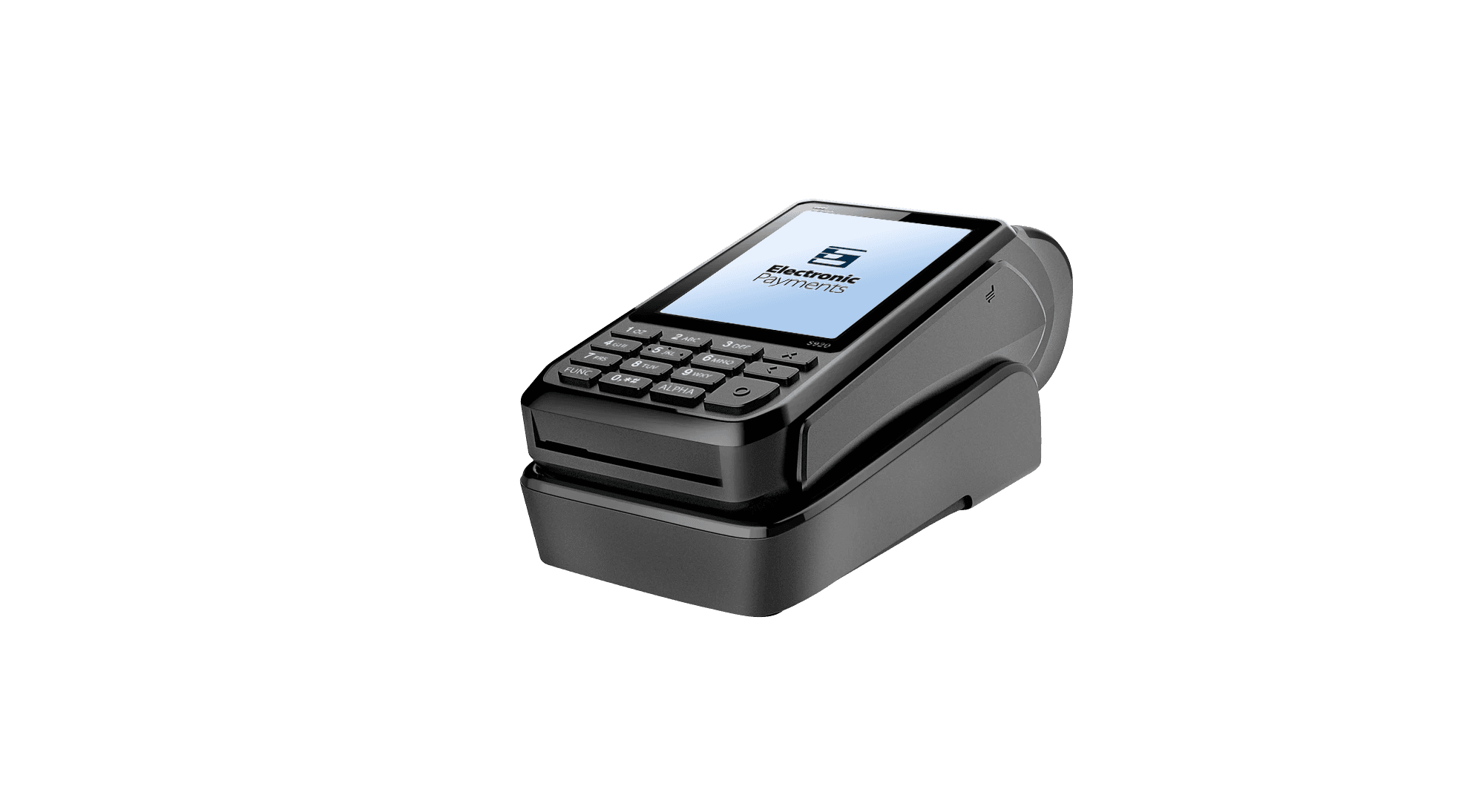
The authorization you place at checkin is not a charge, and your guests do not know that. A hold appears on their card, their banking app shows it, and somebody calls the desk annoyed about being billed twice.
Your front desk should be able to explain this in one sentence without sounding defensive. What the hold is, what it covers, that it is not a completed charge, and roughly when it comes off. Most of that call is not about the money. It is about nobody having told them.
The operational side matters too. Holds that never get released properly tie up your guest's credit and generate complaints weeks after departure. Holds set too low leave you exposed on incidentals. Neither fixes itself, and both are worth reviewing rather than inheriting from whoever set the system up.

A guest who has dinner in your restaurant, a drink at the bar, parking overnight, and a spa treatment has generated four transactions across four parts of your property that all need to land on one folio and settle once at departure.
When that works, it is invisible. When it does not, you get charges that never made it to the room, disputes about items the guest does not recognize, and a night auditor reconciling by hand.
Direct bookings, your own website, phone reservations, and several online travel agencies all produce a guest in the same bed, but the money arrives differently in each case, on different timing, with different amounts withheld before it reaches you.
Some channels send a virtual card number rather than the guest's own card, which behaves differently at your terminal and has its own rules about when it can be charged. Some pay you after the stay rather than at booking. Reconciling all of it against your occupancy is real work, and it is the work most often being done in a spreadsheet by somebody who is also doing three other jobs.
The strategic question underneath it is what a direct booking is actually worth to you once the channel costs are counted, and whether your own booking path is good enough that a guest would choose it. That is not a payments question, but the payments setup either supports it or gets in the way.
This is where hospitality disputes come from, and there are three recurring versions. The guest cancelled and believes they were within the policy. The guest did not show and disputes being charged. Or you billed for damage after departure and they deny it.
All three are winnable and all three depend on documentation you gathered before there was any argument. Cancellation terms shown at the point of booking and captured with the reservation, not buried in a page nobody opens. A signed registration card at checkin. Photographs with timestamps for damage, taken before housekeeping touches anything.
You also have a limited window to respond once a dispute is filed, and the notice takes time to reach you. Somebody at the property needs to own that, or it defaults to a loss.
Event business is a different animal from room nights. The amounts are larger, the timeline is longer, and the payment usually arrives in stages, which means a single disagreement can put a very large number in dispute at once.
Structure protects you. A deposit at signing, payments at agreed points before the date, and a final balance settled on terms everyone understood in advance. Each stage should be tied to a document showing what was agreed, because the details of an event change repeatedly between booking and the day itself, and memory is not evidence.
The last balance is the risky one. Collecting it after the event, from a client who has already received everything and may be unhappy about one detail out of two hundred, is the hardest collection in hospitality. Wherever the market allows it, that balance belongs on a card before the doors open.
Seasonal hospitality flattens businesses that plan as though it is not. Revenue concentrates into a stretch of months, and the mortgage, the staffing, the heat, and the maintenance run all twelve.
Renovation is the specific squeeze. The only time you can take rooms offline is the quiet season, which is exactly when you have the least cash to pay for the work. Boilers, roofs, and elevators do not consult the calendar either.
We work with hospitality clients on business capital to cover that gap and to fund off season work that has to happen before you reopen. Whether it makes sense depends on your occupancy pattern and your margins across a full year, not across a strong summer. We will say so if the numbers do not support it.
You rehire a significant part of your team every year, train them quickly, and hand them access to a system that can issue refunds, apply comps, and adjust rates.
Most of what goes wrong here is not theft. It is a new front desk agent doing something reasonable in a way that costs you money, and nobody noticing for a month. But you cannot tell the difference between that and something worse unless comps, voids, and rate overrides are logged against the person who made them.
Set the permission levels before the season starts, not after. A first week employee does not need the ability to zero out a folio.
Most properties are more than one of these.
Deposits, holds, and a folio spanning every outlet.
Small teams, direct bookings, and a season that carries the year.
Staged deposits and a final balance collected before the doors open.
Months of revenue funding twelve months of cost.
Restaurant and bar charges posting to the room.
Treatments booked, deposited, and billed away from the front desk.
Tell us how you take deposits, which channels you book through, and where charges go missing. We will tell you what we would change and what we would leave alone.